Retaining Wall Drainage in Birmingham, AL
Retaining wall drainage services are essential for maintaining the stability and longevity of retaining walls on residential properties. These services typically involve installing drainage systems such as weep holes, drain pipes, or gravel backfills to prevent water buildup behind the wall. Proper drainage helps reduce pressure exerted on the structure, minimizing the risk of shifting, cracking, or failure. Projects can range from small garden retaining walls to larger landscape or hillside structures, ensuring that water is effectively directed away from the wall and surrounding areas.
Homeowners often want to understand the importance of adequate drainage when planning a retaining wall project. Key considerations include the type of soil, the slope of the land, and the amount of water runoff the area receives. Proper drainage solutions are tailored to these factors to ensure the wall remains stable over time. Before requesting services, property owners should evaluate their landscape’s drainage needs and be prepared to discuss the specific location and purpose of the retaining wall to ensure the appropriate drainage measures are implemented.
Many property owners in Birmingham, AL look into Retaining Wall Drainage for repairs, replacements, upgrades, and appearance-related improvements.
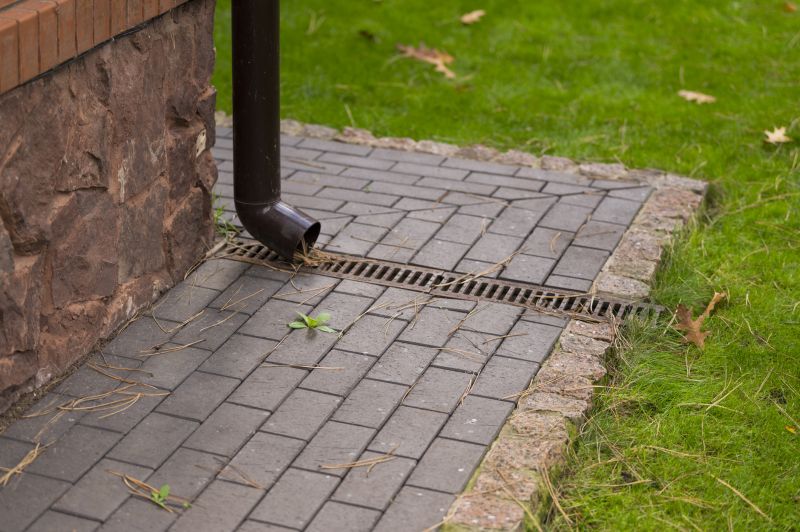
Purpose Of Retaining Wall Drainage
Proper drainage prevents water buildup that can damage retaining walls and surrounding landscapes.
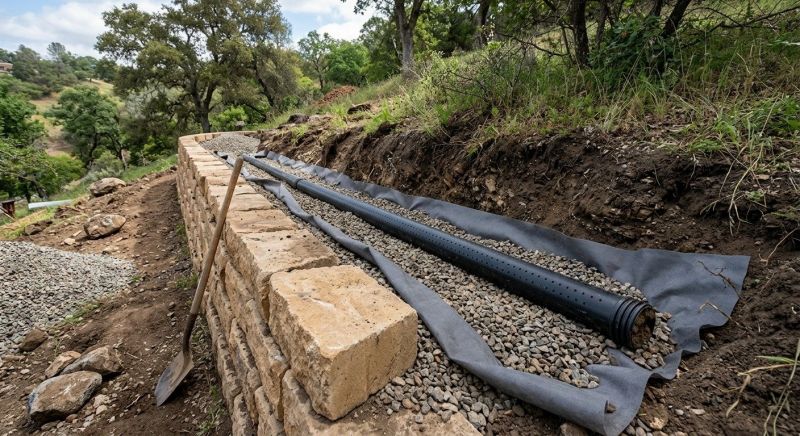
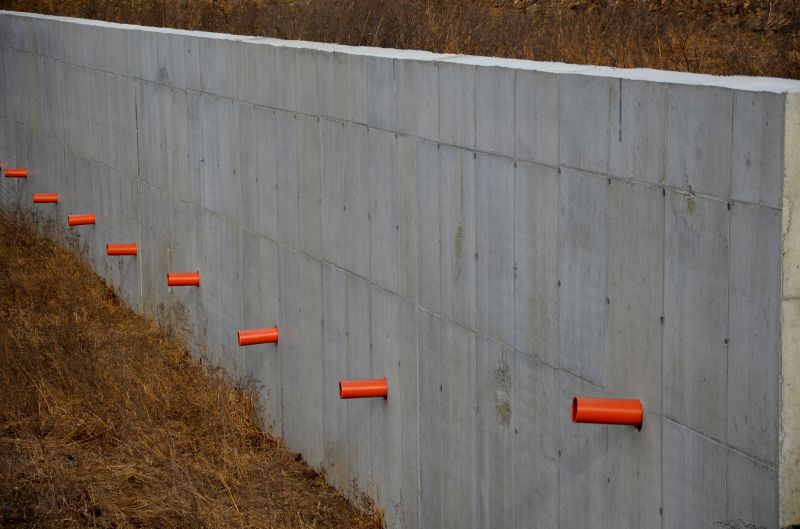
Common Drainage Solutions
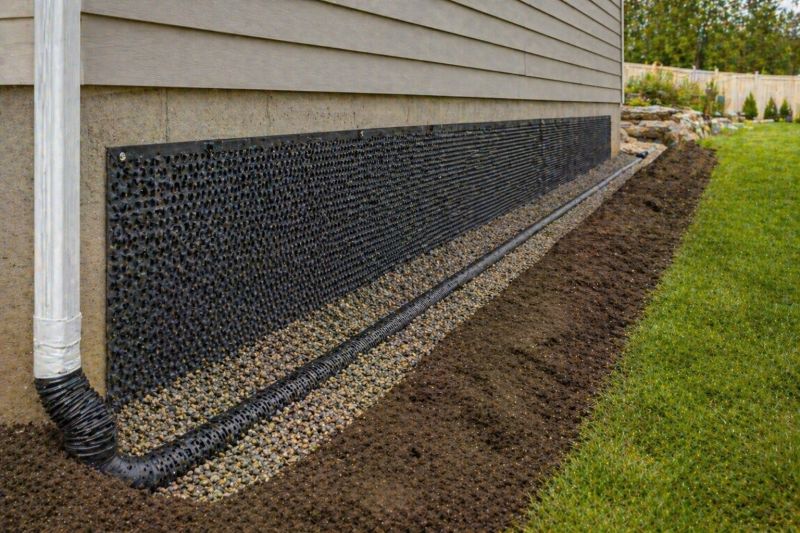
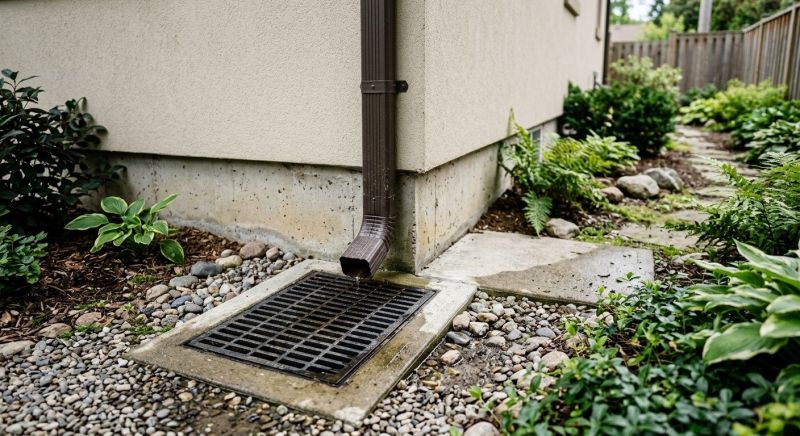
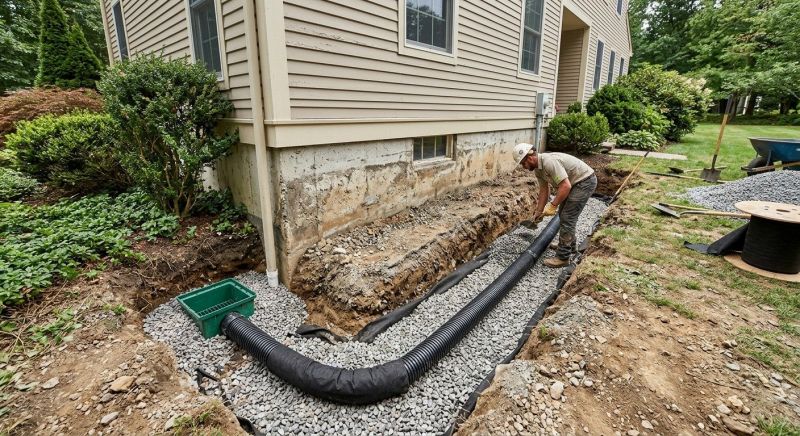
Drainage options include weep holes, drain pipes, and gravel backfill to ensure effective water flow.
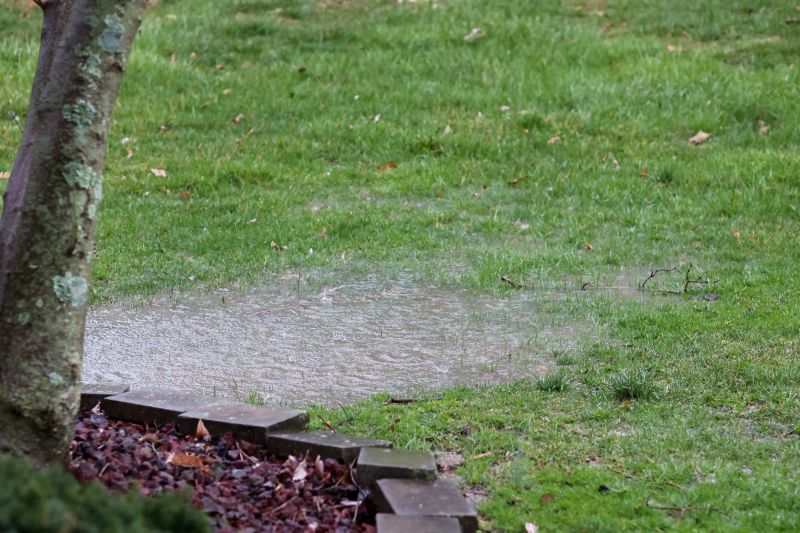
Signs You Need Drainage Services
Water pooling, soil erosion, or wall tilting are indicators that retaining wall drainage may require attention.
Retaining Wall Drainage in Birmingham, AL

Retaining wall drainage services are essential for maintaining the stability and longevity of retaining walls on residential properties. These services typically involve installing drainage systems such as weep holes, drain pipes, or gravel backfills to prevent water buildup behind the wall. Proper drainage helps reduce pressure exerted on the structure, minimizing the risk of shifting, cracking, or failure. Projects can range from small garden retaining walls to larger landscape or hillside structures, ensuring that water is effectively directed away from the wall and surrounding areas.
Homeowners often want to understand the importance of adequate drainage when planning a retaining wall project. Key considerations include the type of soil, the slope of the land, and the amount of water runoff the area receives. Proper drainage solutions are tailored to these factors to ensure the wall remains stable over time. Before requesting services, property owners should evaluate their landscape’s drainage needs and be prepared to discuss the specific location and purpose of the retaining wall to ensure the appropriate drainage measures are implemented.
Many property owners in Birmingham, AL look into Retaining Wall Drainage for repairs, replacements, upgrades, and appearance-related improvements.
Common Retaining Wall Drainage Jobs
Retaining Wall Drainage - Proper drainage prevents water buildup that can weaken retaining walls.
Drainage Solutions - Installing weep holes and drainage pipes helps direct water away from the structure.
Water Management - Effective drainage reduces soil erosion and protects landscaping around retaining walls.
Drainage Repair - Addressing clogged or damaged drainage systems maintains wall stability over time.
Drainage Planning - Properly designed drainage ensures long-term performance of retaining walls.
Drainage Maintenance - Regular inspection and upkeep help prevent water-related issues and prolong wall lifespan.
Retaining Wall Drainage Questions
Why is drainage important for retaining walls? Proper drainage prevents water buildup behind the wall, reducing pressure and the risk of failure.
What types of drainage systems are used in retaining walls? Common options include weep holes, drainage pipes, and gravel backfill to facilitate water flow.
How can I tell if my retaining wall needs drainage improvements? Signs include water pooling, soil erosion, or leaning sections near the wall.
What are the benefits of installing effective drainage in a retaining wall? It helps maintain wall stability, prevents damage, and extends the lifespan of the structure.
Request Retaining Wall Drainage in Birmingham, AL
Use the quote form on this page to share the basics of your project and request more information for the type of work you need.